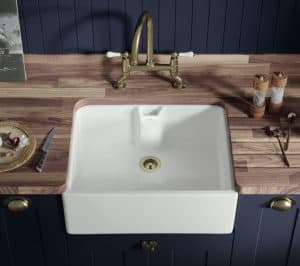
When planning a kitchen upgrade, sinks and taps are two essential features that deserve careful thought. They are used constantly throughout the day, from washing dishes to preparing food, so choosing the right combination can improve both the practicality and appearance of your kitchen.
Understanding how sinks and taps differ, along with the options available, can help you select fixtures that suit your space and daily routine.
The Difference Between a Kitchen Sink and a Tap
Although they work together, sinks and taps serve completely different purposes within the kitchen.
- The sink is the basin where water collects while you wash dishes, prepare food or clean utensils. It is usually fitted into the worktop or mounted underneath it.
- The tap is the fixture that delivers and controls the water flow into the sink, allowing you to adjust both temperature and pressure.
Because these two components are closely connected, choosing styles that complement each other helps create a cohesive and practical kitchen design.
Common Types of Kitchen Sinks
Kitchen sinks are available in a variety of styles, each designed to suit different layouts and cooking habits.
Top-mount sinks
These are installed from above the worktop, with the rim sitting on the surface. They are widely used and relatively simple to install.
Undermount sinks
Fitted beneath the worktop, undermount sinks create a cleaner, seamless appearance and make it easier to wipe water and crumbs directly into the basin.
Farmhouse sinks
Also known as apron-front sinks, these feature a deep basin and an exposed front panel. They are ideal for larger households or those who frequently wash large pots and pans.
Single and double bowl sinks
A single bowl provides one large basin that works well for bulky cookware, while double bowl sinks allow you to separate washing and rinsing tasks.
Sinks are commonly made from materials such as stainless steel, porcelain, granite composite and fireclay, each offering different levels of durability and maintenance.
Kitchen Tap Styles
Kitchen taps are available in a wide range of designs and functions, allowing you to choose one that suits both your kitchen style and how you use the sink.
Some practical options include:
- Single-handle taps, which control water temperature and flow with one lever
- Dual-handle taps, offering separate hot and cold controls
- Pull-out or pull-down taps, which include an extendable spray head for easier rinsing and cleaning
- Touchless taps, which use sensors to activate the water without touching the handle
- Bridge taps, which provide a more traditional design with two handles connected by a central bar
Each style offers different levels of convenience, depending on how frequently the sink is used.
Matching Sinks and Taps in Your Kitchen
When selecting a sink and tap together, it’s important to think about both practicality and visual balance.
A few useful considerations before upgrading include:
- Size and clearance – larger sinks often benefit from high-arc taps that provide more working space
- Material and finish – stainless steel sinks often pair well with chrome or brushed steel taps, while porcelain sinks suit classic finishes
- Installation style – undermount sinks typically work best with taps mounted on the worktop rather than the sink itself
- Water efficiency – many modern taps include aerators that reduce water use
- Available space – measuring your worktop and cabinet area ensures everything fits properly
Taking these factors into account and planning carefully can help ensure you avoid costly adjustments later and your sink and tap work well together.
A well-chosen sink and tap combination can make a noticeable difference to both the style and usability of your kitchen. By understanding the options available and how the two components work together, you can create a kitchen setup that looks great and performs reliably for years to come.